1. A fox with too much luggage
Andy had drawn an island fox beside a suitcase twice its size.
He had started the picture after the prairie-engineer adventure at Theodore Roosevelt National Park. Now, on a separate journey to the coast of southern California, he had a new question.
“How does the fox get its suitcase onto the boat?”
Ana looked at his drawing. “We may need to establish whether the fox owns socks.”
Augie pointed at its paws. “Four. Very small.”
Allie opened the notebook before anybody designed a fox luggage trolley. Their next adventure was Channel Islands National Park, where ocean water separated island habitats from the mainland.
Their parents had arranged a suitable day visit to Santa Cruz Island, checked current conditions and transport details, and prepared food, drinking water, warm layers, sun protection, and everything they would need. The children would follow crew instructions, stay with their parents, and use only routes that suited the family and conditions.
Nobody was planning to visit every island in an afternoon.
Before departure, their parents helped them inspect shoes and bags for soil, seeds, and unwanted little passengers. Food went into properly sealed containers. These preparations protected more than their sandwiches.
“Could a seed come on holiday in my shoe?” Augie asked.
“Accidentally,” Allie said. “Which is why we're checking.”
Ana made a tick beside each clean item. Andy inspected his imaginary fox's suitcase, then labeled it not actual wildlife equipment.
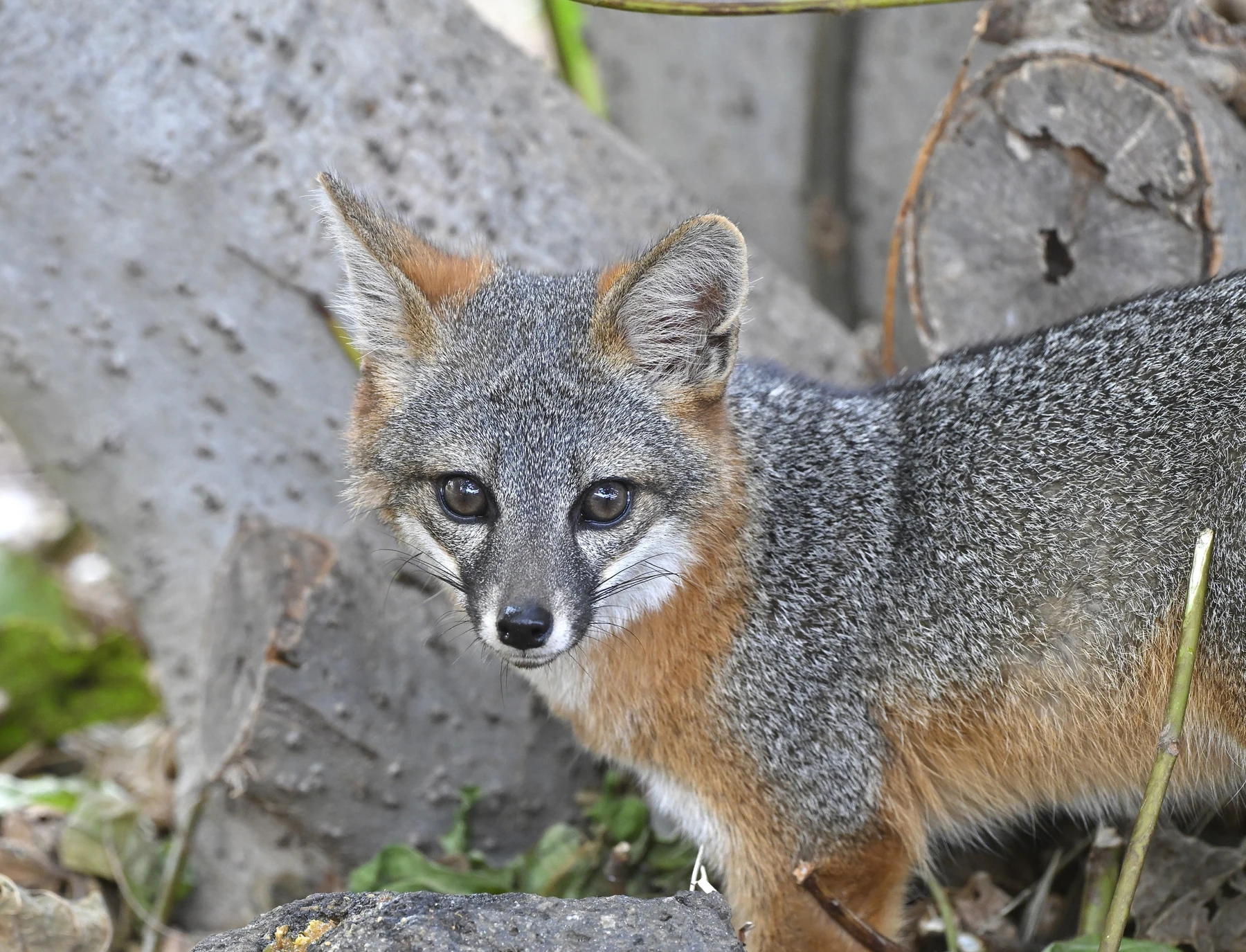
A photograph showed an island fox with gray, reddish, and white fur. It looked familiar, but surprisingly small.
Allie wrote: Why is this fox different, and what helps its island home stay healthy?
Ten-year-old Allie had supplied the question. Nine-year-old Ana supplied a second pencil. Seven-year-old Andy supplied a suitcase without evidence. Four-year-old Augie supplied a snack inquiry.
The boat would have real luggage today. The fox's socks would remain a mystery on paper.
2. Five islands are not one stepping-stone
The boat journey made the map's blue spaces feel much more real.
Andy had initially drawn a quick hop between islands. Watching the water from his safe place with the family, he reconsidered.
“That is a lot of blue.”
Their parents reminded them to follow the crew's directions throughout the crossing and landing. Sea conditions could change plans; a route drawn neatly on paper did not promise a smooth trip or a guaranteed landing.
At Santa Cruz Island, the family took time to settle and review their short outing. They would stay in the permitted area around their planned landing, with no long cliff route or adventurous sea-cave detour.
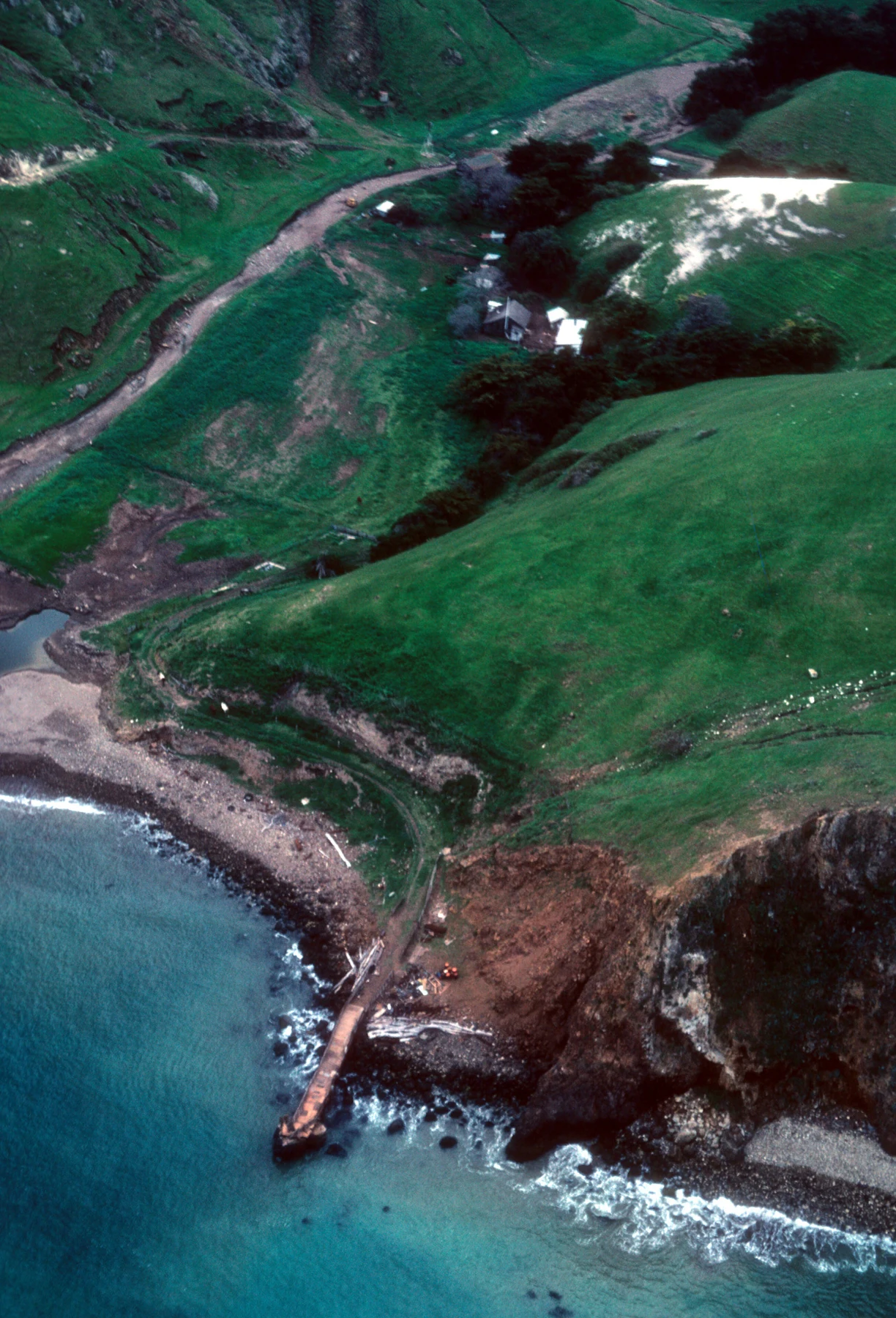
An aerial photograph of Scorpion Ranch and its bay helped them understand how coast, valley, slopes, and past human activity fitted together. It was an overview from above, not a view they could obtain by climbing the nearest steep hillside.
Allie listed the park's five islands: Anacapa, Santa Cruz, Santa Rosa, San Miguel, and Santa Barbara. They were part of a larger group of eight Channel Islands.
Ana drew two labels: the whole island group and the five islands in this national park.
“Those are different lists,” she said.
They learned another distinction. Island foxes lived naturally on six of the eight Channel Islands, including Santa Cruz, Santa Rosa, and San Miguel within the park. That did not mean a visitor could look for a fox on every park island.
Augie counted the pencil dots carefully.
“The foxes didn't read our park list.”
“Animals have their own histories and habitats,” Allie said.
Andy replaced his hopping arrows with ocean spaces and questions about distance. Isolation could make it harder for some animals and plants to arrive, leave, or mix with populations elsewhere.
His fox suitcase acquired a final label: not a ferry schedule.
Ana approved the improvement.
3. The small fox is not a baby gray fox
A little fox moved along the edge of their view, well away from the family. The children stopped with their parents, leaving its route clear. Nobody called it closer or followed it for a photograph.
Augie whispered, “Baby?”
“Small doesn't necessarily mean young,” Allie replied.
Their visitor material explained that the island fox was a distinct species related to the mainland gray fox. An adult island fox could be roughly house-cat sized. The resemblance did not turn it into a pet, and the size did not prove it was a pup.
Andy drew an adult fox with a very serious briefcase.
Ana gave him a look.
“Another accessory?”
“An adult clue.”
“Use evidence from the guide.”
The six island populations were recognized as different subspecies. Separation over generations had contributed to differences among them. Allie remembered the word endemic from earlier chapters: naturally restricted to a particular place or region.
The children discussed how populations could evolve over many generations in island conditions. That was different from a mainland fox arriving, noticing a small island, and deciding to shrink itself before dinner.
Augie stretched tall, then crouched down.
“Like this?”
“Excellent pretending,” Ana said. “Not evolution.”
They also learned to leave some questions open. The early history of how fox ancestors reached the islands involved evidence and competing explanations; it should not be replaced with one confident cartoon of a fox sailing its own boat.
Andy moved the boat cartoon into his imagination box.
Their parent asked what a short sighting could actually establish.
“We saw a fox-shaped animal moving there,” Ana said. “The reliable information helps us identify it. We can't measure its whole life story from one glance.”
The animal disappeared into vegetation. The family did not go after it.
Augie looked at the notebook.
“Small grown-up. No socks.”
A much better working description.
4. A menu without our sandwiches
At a suitable rest stop, the family unpacked its own lunch carefully and kept food secured.
Andy looked at the fox page. “What does its lunch look like?”
The guide described an adaptable menu: insects, small animals such as deer mice, and plant foods including fruits. Diet varied with what was available on different islands and at different times.
Ana made several food pictures, leaving her sandwich out.
“It's an omnivore,” Allie said. “It eats both animal and plant foods.”
Augie checked his snack container. “This omnivore is eating crackers.”
“The human one,” their parent agreed.
The fox's small body did not mean it needed a visitor's help finding lunch. Human food, rubbish, or an open bag could create problems. The family would not feed, lure, touch, or approach wildlife, even if an animal appeared confident around people.
Andy drew a fox examining a zipped bag. He added a lock so large that Ana had to remind him the bag also needed to fit in their drawing.
“Secure in real life,” she said. “Reasonable proportions on paper.”
The food list helped Allie see connections. A fruit-bearing shrub could offer food. Vegetation could also provide cover. Small animals and insects belonged to the same habitat, not separate museum boxes.
They thought back to prairie dogs. There, feeding and burrowing changed other species' surroundings. Here, a fox's survival also depended on a network extending beyond the fox itself.
Their parent asked whether one fruit drawing proved foxes ate that fruit on every island.
“No,” Ana said. “We should label it as an example, not a universal menu.”
Augie added a tiny question mark beside an unfamiliar insect.
The children finished lunch, checked the ground, and packed every scrap away. Even a fruit core or seed was not something to leave behind on an island.
Andy closed the notebook café.
The real fox remained responsible for its own wild lunch.
5. The puzzle reaches into the sky
Later, an account of island fox recovery changed the scale of their question.
The children had expected a story about looking after little foxes. Instead, the explanation included introduced animals, changes in vegetation, and two different kinds of eagle.
“More arrows,” Ana said, opening a clean page.
On the northern islands, fox populations had suffered severe declines when golden eagles began preying heavily on them. On Santa Cruz, feral pigs descended from introduced domestic animals supplied piglets that helped golden eagles establish themselves. The eagles also caught foxes.
“So an extra food source for a predator can affect another prey animal,” Allie said.
Andy drew a piglet, an eagle, and a fox. Ana added a key so the arrows clearly meant food relationships.
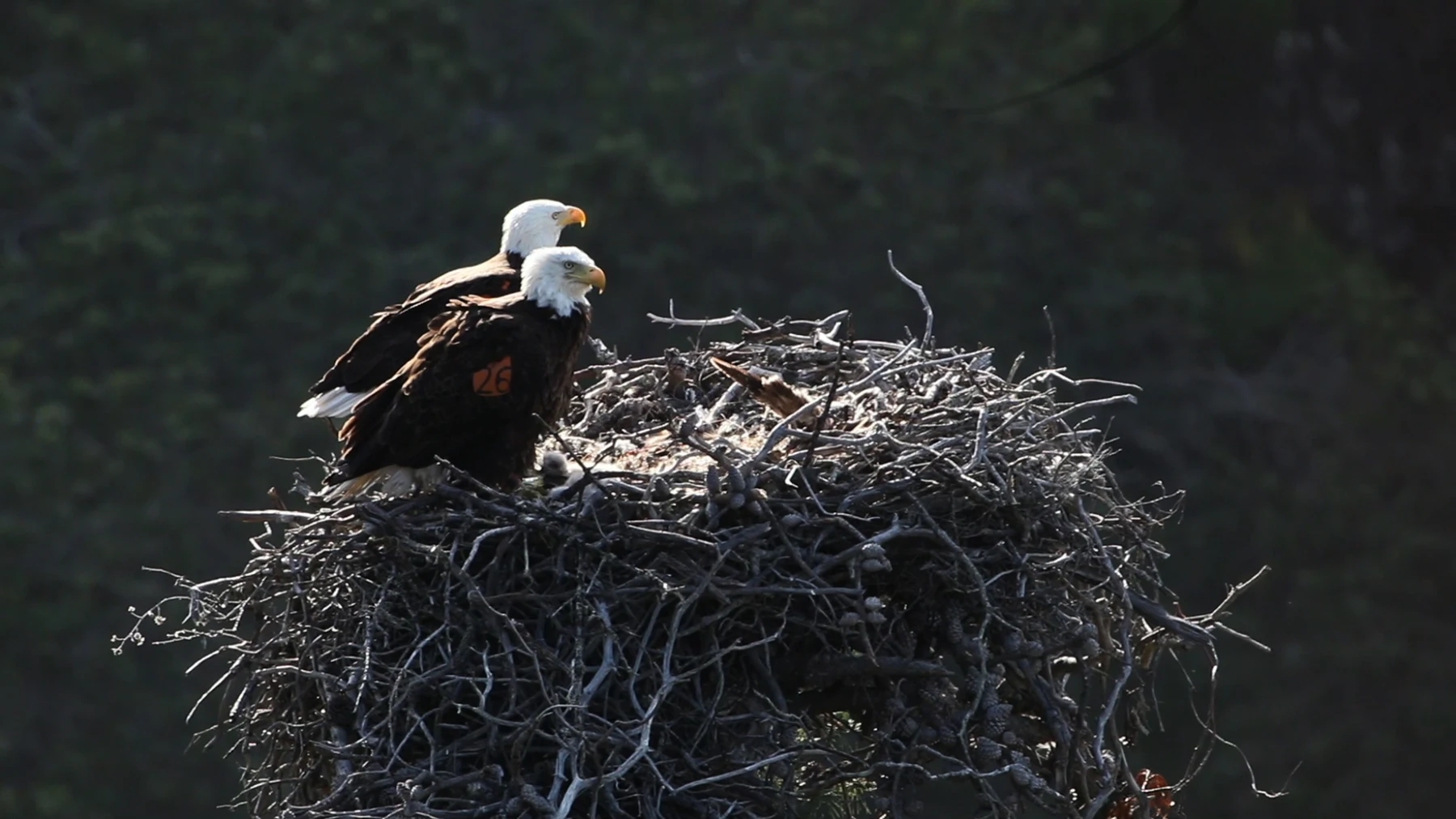
Bald eagles had previously declined after problems including DDT pollution. Unlike golden eagles, they relied heavily on marine foods and generally posed much less threat to foxes. Restoring bald eagles was one part of the wider island restoration effort.
The photograph showed bald eagles at a nest. The children studied the birds while the interpretation explained their marine food connections.
Augie studied the white head.
“Different eagle. Different menu.”
“Exactly,” Allie said. “We shouldn't give every eagle one identical role.”
Golden eagles were not storybook villains. They were wild predators responding to changed opportunities. The conservation problem required understanding the changed system, not deciding one animal was naughty.
Trained teams bred foxes for release, relocated golden eagles, removed introduced animals, restored bald eagles, and helped habitat recover. Several actions worked together. Releasing more foxes without addressing the causes of decline would not have solved the whole problem.
Andy crossed out his first proposed solution: give fox a helmet.
Augie watched the new arrows connect.
“The puzzle is bigger than his head.”
Much bigger. Recovery had taken sustained work by many people, followed by continued monitoring. The ending was hopeful, but it was not permission to stop paying attention.
6. An island can be separated and connected
The word isolation had been appearing all through their notes.
Ana stopped beside it.
“Isolated for some wildlife doesn't mean people never traveled here.”
Their parents helped them learn about the islands as Indigenous homelands, rather than places whose story began when a visiting family stepped off a boat.
Santa Cruz Island was known to Chumash people as Limuw. Chumash communities had long connections with the northern islands and surrounding waters. The broader island region also held Tongva/Gabrieleno histories, including connections with Santa Barbara Island in the park. These were distinct peoples and stories, not one interchangeable island culture.
Allie drew sea routes on a separate learning page. A tomol, a traditional Chumash plank canoe, had supported travel, fishing, and trade. Chumash people continued to build and navigate tomols; these were living traditions, not simply objects from a distant past.
Andy looked at the long ocean crossing in the materials.
“Knowing the water would matter a lot.”
“Yes,” Allie said. “Skills and knowledge we shouldn't pretend to have after looking at one picture.”
The family would learn from publicly shared community and park resources. They would leave cultural objects, structures, and sites undisturbed and respect boundaries around knowledge or places not offered to visitors.
Augie put his hands on his own paper boat.
“This one is just mine.”
“And we won't call it a real tomol because we drew a canoe shape,” Ana said.
Their parent also helped them understand that colonization, introduced diseases, and displacement had deeply harmed island communities. Contemporary relationships with the islands continued despite those losses. An empty-looking stretch of shoreline was not evidence of an empty human history.
Allie returned to the word isolation and added ask: for whom, and in what way?
The ocean could be a barrier for one species and a well-known route for people with generations of maritime knowledge.
Andy gave that idea its own page.
7. The forest below the boat
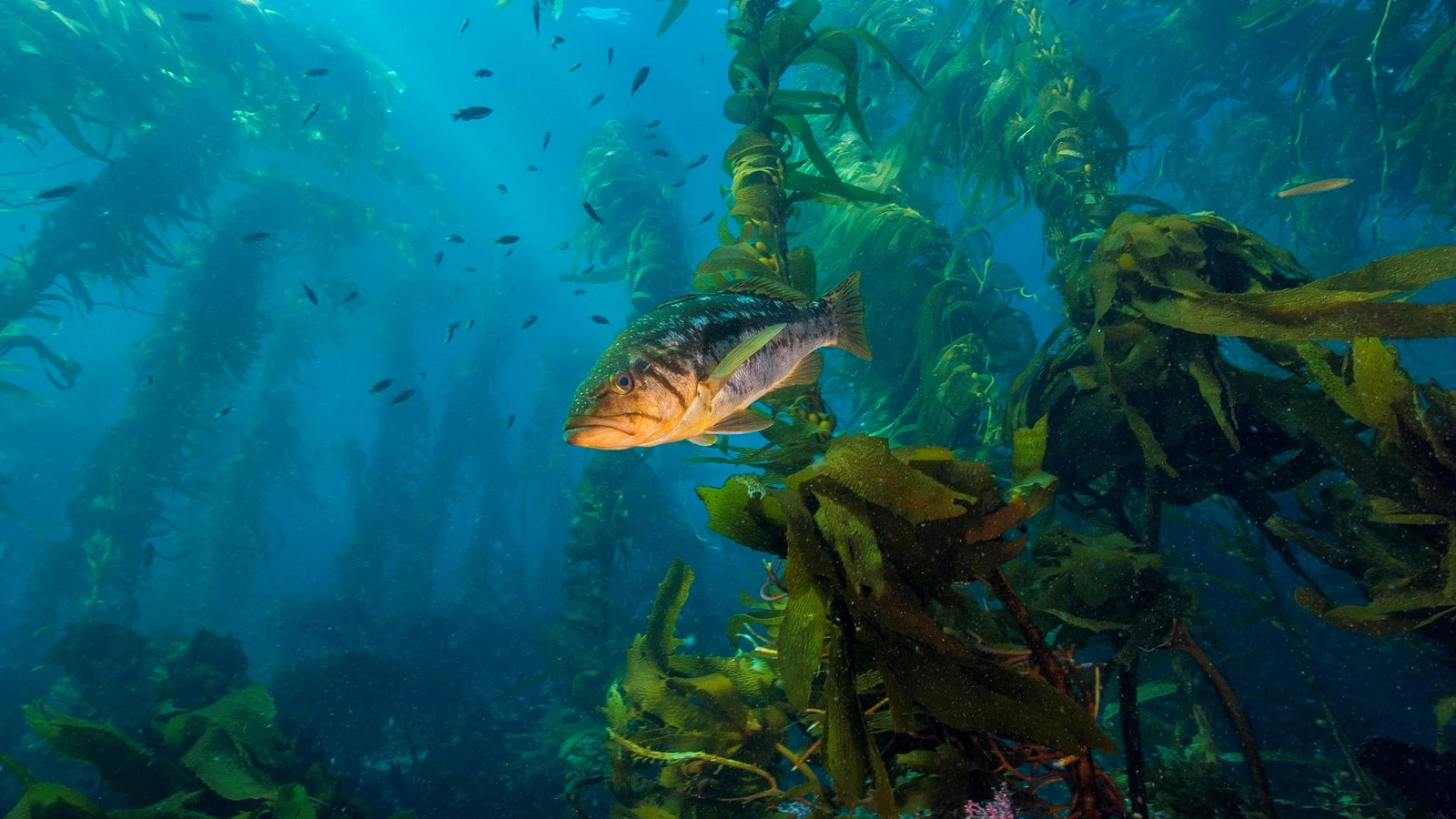
A photograph revealed another island world: golden-brown kelp rising through blue water, with fish among its blades.
Augie leaned toward the picture.
“Where did they put the tree trunks?”
“Kelp isn't a tree,” Ana said. “It's algae.”
The family was investigating this underwater habitat through photographs and interpretation, not adding an unplanned dive or swim to its day visit.
Kelp could form dense underwater forests. Its holdfast anchored it to the seafloor, while stalk-like stipes and blades extended upward. These structures were not roots, wood, and leaves in the same sense as those of a land tree.
Andy drew a tree, then a kelp form beside it. Similar overall shapes did not make their parts identical.
“Another resemblance puzzle,” Allie said.
The kelp habitat offered shelter and food relationships for many marine animals. A fish could use its three-dimensional spaces without needing to eat the kelp itself. The children remembered the difference between a food arrow and a shelter arrow from their prairie notebook.
Augie pointed to the fish in the photograph.
“Not eating a house again.”
Ana smiled. “The rule travels well.”
The park protected marine environments as well as island ground. A map that colored only the dry land would leave out an important part of the story.
Allie extended their island picture below a wavy waterline. Andy added fish and kelp, taking care not to include every ocean animal he had ever heard of.
Their parents reminded them that looking down at the sea did not show all its hazards. Currents, cold water, waves, slippery shorelines, and changing conditions required careful preparation and appropriate guidance for any marine activity.
Today, the underwater investigation stayed in the photograph.
Augie drew a window around it.
“A forest we can look into.”
“And keep learning about,” Allie said.
The fox's island home now had a much larger blue border in their notebook.
8. The very small stowaway inspection
Before returning, Ana checked the place where their bags had rested. Nothing would be left behind, and the bags would be properly secured for the journey.
Andy remembered the shoe inspection before departure.
“So we were helping with fox conservation before we even saw a fox?”
“In a small, useful way,” their parent said.
They learned the word biosecurity: actions that help prevent harmful organisms or diseases from being carried into places where they could cause damage.
A seed tucked into a shoe, soil on equipment, or an insect inside packaging might be easy to overlook. Island ecosystems could be especially vulnerable to new arrivals. That made cleaning and checking gear more important, not less, than on a trip close to home.
Augie inspected a drawing of his boot.
“No free rides.”
For real travel, the adults followed the park's current packing, cleaning, and transport instructions. The children could help spot debris and remind one another to keep food sealed; grown-ups handled any cleaning products or more complicated tasks.
Allie made two columns: prevent a problem and respond after a problem arrives. Both mattered, but the second could require years of specialist work.
Andy compared a tiny seed sketch with their page of fox-recovery arrows.
“Small luggage. Potentially large consequences.”
They also discussed why visitors should not move an animal or plant between islands, even with kind intentions. A species belonging on one island did not automatically belong on the next. Transfers and wildlife care were matters for authorized experts, not a family experiment.
Augie crossed out a boat full of traveling foxes in his picture.
“Only pretend passengers.”
The adults checked the return arrangements and everyone stayed together. The family had brought what it needed, watched carefully, and would leave with its own belongings and rubbish.
Ana ticked the last box.
The stowaway inspection required no detective badge. It required noticing small things.
9. The fox fits; the suitcase doesn't
At the end of their island visit, Allie returned to the first drawing.
The fox stood beside an impossibly large suitcase, four tiny socks peeking out.
“Which parts survive the investigation?” she asked.
“The fox is small,” Ana said. “But it isn't just a baby gray fox. Its island history and evolution matter.”
“The habitat is connected,” Andy said. “Plants, food, eagles, introduced animals, people, and even things we accidentally bring.”
“Suitcase: no evidence,” Augie said.
They left the drawing in place and wrote their better answer beside it. Island separation could contribute to distinctive populations, while a small geographic range could also mean serious vulnerability when conditions changed. Protecting one animal sometimes required repairing connections across an ecosystem.
Their parent asked whether that meant the islands were now finished and perfectly safe forever.
“No,” Allie said. “Monitoring, habitat care, and prevention still matter.”
The family had not solved every question about fox evolution, watched every conservation action, or seen every island. They had learned enough to understand why a cute photograph was only the front piece of a much larger puzzle.
Ana drew several pieces around the fox: water, vegetation, wild foods, other species, human history, and responsible visiting. She left space for questions they had not considered.
Andy tried fitting his suitcase into the last space. It did not fit.
“An unusually clear research result,” Ana said.
Following the crew's directions on the return journey, the children kept their belongings secure and watched the island recede. Wildlife continued its day without them.
Their next chapter would take them to Voyageurs National Park, where lakes would raise a different puzzle about travel and connected waterways.
Augie drew a boat with a question mark on its bow.
“More blue?”
“Much more to investigate,” Allie said.
The island fox kept its island. The four explorers kept their questions, their photographs, and a notebook that finally had room for the ocean between its pages.
Explorer’s notebook
Nine discoveries to take home
- Channel Islands National Park protects five islands and marine environments off southern California, within a larger group of eight islands.
- Island foxes live naturally on six of those eight islands, including Santa Cruz, Santa Rosa, and San Miguel within the park.
- The island fox is a distinct species related to the mainland gray fox; a small adult is not automatically a pup.
- Isolation and evolution over generations help explain distinctive island populations. The early arrival history of fox ancestors still involves questions and evidence.
- Island foxes eat animal and plant foods; visitors' lunches are not part of their wild menu.
- Fox recovery involved connected actions, including breeding and release, eagle relocation and restoration, introduced-animal removal, and habitat care.
- Chumash and Tongva/Gabrieleno peoples have distinct histories and continuing island connections; the ocean has supported human travel and exchange.
- Kelp is algae, not a land tree. Kelp forests provide structure and ecological connections for marine life.
- Clean gear, secure food, packed-out rubbish, and following biosecurity instructions help protect sensitive island ecosystems.
Five small adventures
- Make two island lists. With an official map, distinguish the five national park islands from the full eight-island group. Mark the six islands with fox populations using a reliable source; do not assume the lists are identical.
- Separate size from age. Draw an adult island fox and label facts from a reliable guide. Explain why a small animal need not be a baby and why a photograph alone may not establish age.
- Build a conservation puzzle. Make paper pieces for foxes, vegetation, wild food, eagles, introduced species, and people. Connect them with labeled relationships. Include several restoration actions rather than one magic solution.
- Compare two forests. Draw a land tree and kelp using photographs. Identify similarities in overall shape and differences in structure. Do not treat a kelp holdfast as a feeding root.
- Inspect your trip kit. With a grown-up, check shoes and bags for soil, seeds, insects, and loose food. Use the destination's current official instructions, and let adults handle cleaning products and transport arrangements.
Talk it over
- How can ocean separation affect wildlife differently from people with skilled maritime traditions?
- Why wouldn't releasing more foxes solve the problem if the causes of decline were still present?
- How are food relationships and shelter relationships different in a kelp forest?
- Why can preventing one accidental introduction be more useful than trying to fix its effects later?
Words for your explorer pack
- Isolation: separation that limits movement or contact.
- Endemic: naturally restricted to a particular geographic area.
- Subspecies: a distinct population within a species, often associated with a geographic region.
- Omnivore: an animal that eats both animal and plant foods.
- Restoration: work to help recover damaged ecosystems or their important functions.
- Biosecurity: actions that reduce the risk of introducing or spreading harmful organisms and diseases.
- Holdfast: the anchoring structure of kelp and some other algae.
- Tomol: a traditional Chumash plank canoe, part of a living maritime tradition.