1. The package is the wrong size
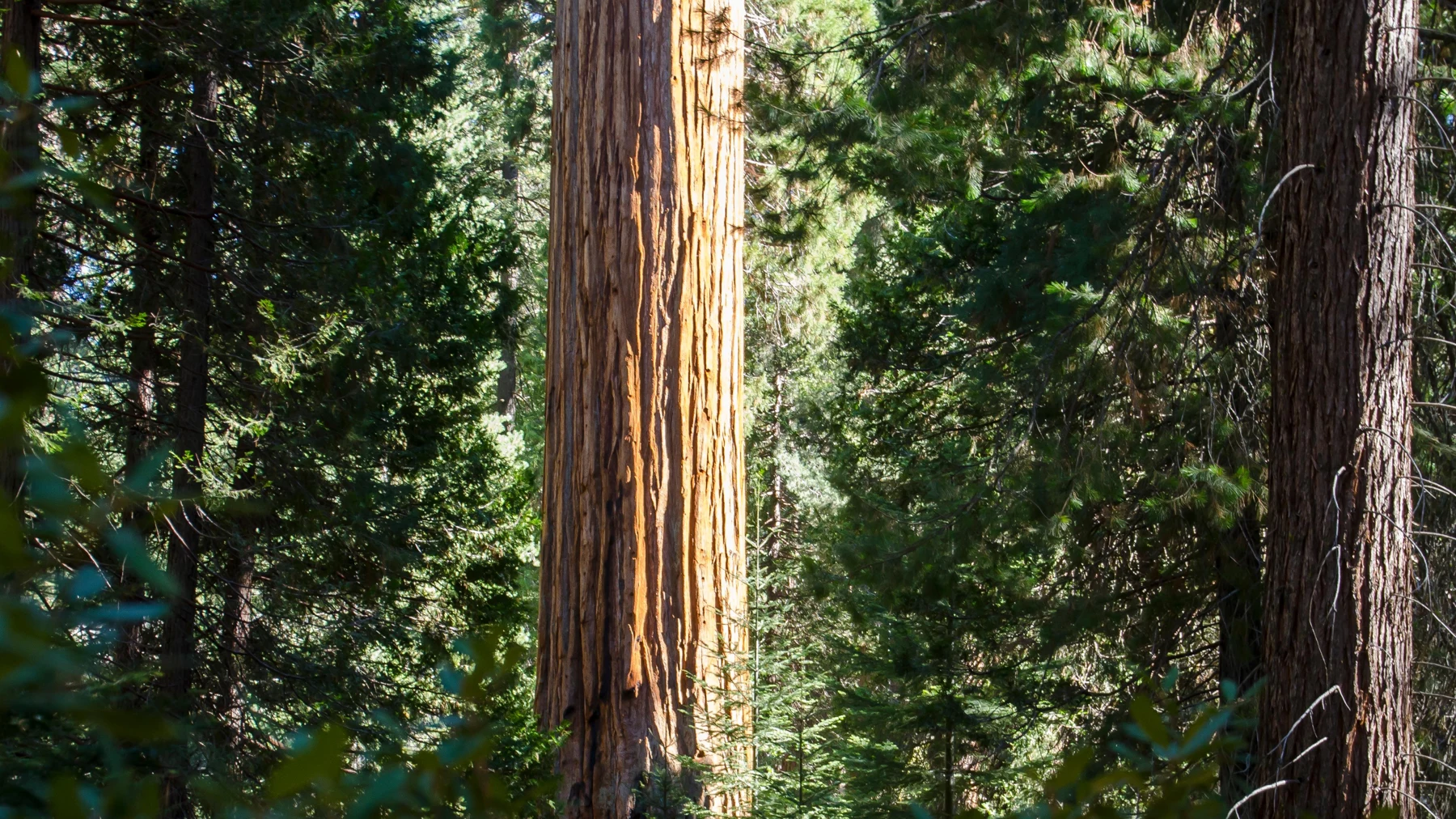
Augie had a problem with the seed picture.
“Too small.”
“Too small for what?” Ana asked.
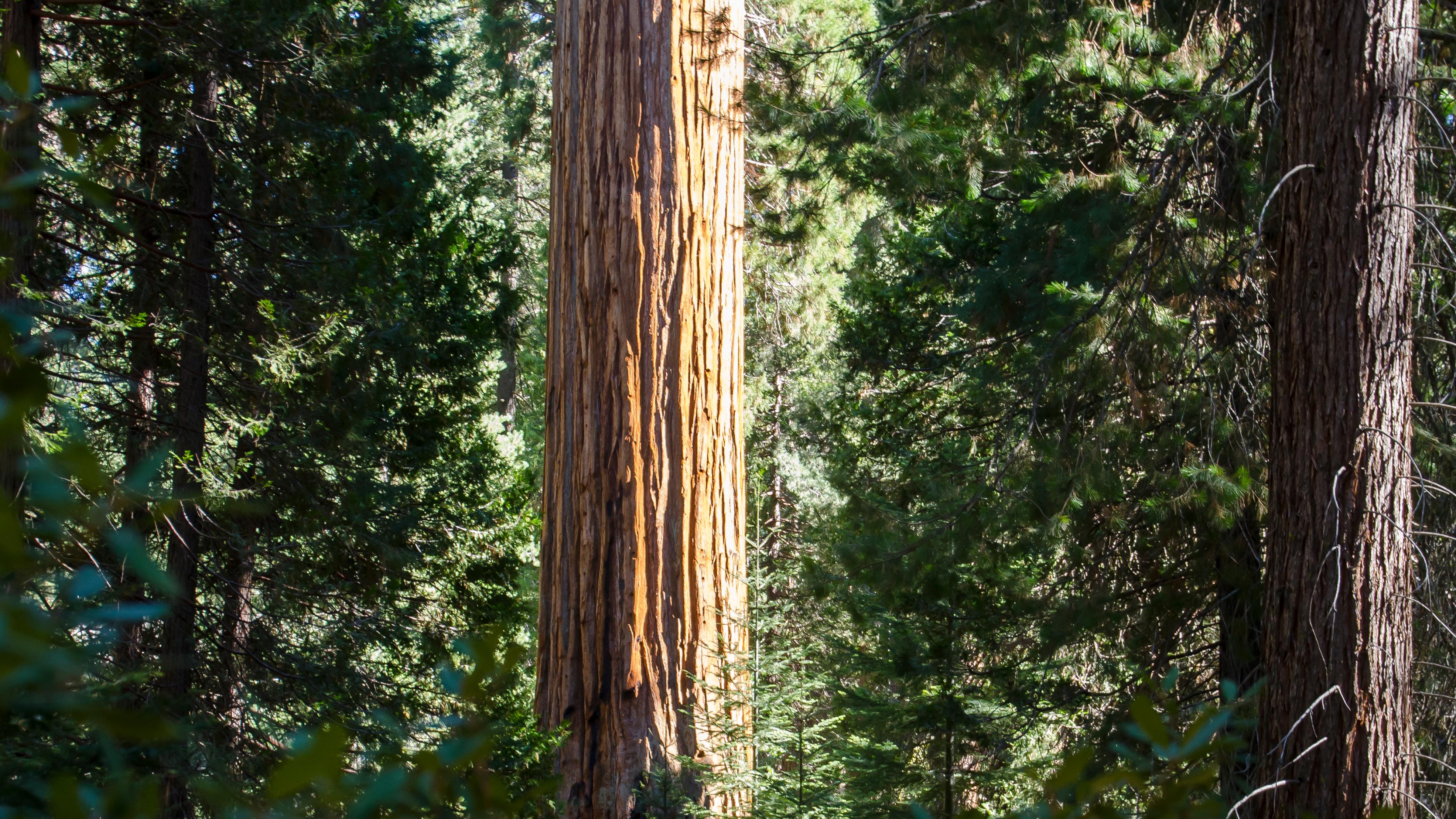
He pointed at a photograph of a giant sequoia. Its reddish trunk seemed wide enough to hide their whole family, including Andy’s backpack and the emergency crackers.
“For that.”
Andy examined both pictures. “Someone sent the wrong package.”
After Mammoth Cave’s enormous passages, the children had returned to daylight and California. Their next adventure was Sequoia National Park, in the Sierra Nevada. This time, the mystery was not how small water pathways became a great cave. It was how a tiny seed could begin a tree that seemed to belong to a larger-sized planet.
Allie wrote THE GIANT’S TINY BEGINNING on their notebook.
“Did the seed know how big to get?” Augie asked again.
“Let’s find out what it carries—and what it still needs.”
Their grown-ups had checked current conditions and chosen a suitable way to explore Giant Forest. The family mixed a manageable walk with museum learning and photographs. They did not need to reach every famous tree to investigate one good question.
Andy stood on the established path and looked upward.
“I have found the top.”
A pause.
“No. That was another branch.”
Giant sequoias were different from the coast redwoods in their earlier chapter. Related trees could have different natural homes and different shapes. Here, the broad trunks stood among other conifers, not in the coastal fog forest they remembered.
Ana drew two columns: WHAT THE SEED HAS and WHAT THE FOREST PROVIDES.
Augie added a delivery truck between them.
“Needs a bigger box.”
2. A cone is not a baby tree
At an exhibit, the children compared cones and seeds.
Andy had expected a giant sequoia cone to be approximately the size of a suitcase. He had allowed space in his drawing for wheels.
“Cancel the luggage,” Allie said.
Giant sequoia cones were surprisingly small beside the trees that produced them. The seeds inside were smaller still. The National Park Service compared a seed’s size with a grain of oatmeal.
Augie looked startled.
“Breakfast tree?”
“Size comparison,” Ana said. “Not instructions to eat the exhibit.”
The cone protected and held seeds; it was not itself a seed, and it was not a miniature trunk waiting to unfold. Each viable seed contained an embryo—a tiny beginning plant—with stored resources and a protective coat.
Allie drew a seed beside a huge empty outline of a tree.
“The whole future tree isn’t packed inside like a folded tent.”
Andy crossed out his drawing of branches springing from a tiny zipper.
“Disappointing. Very convenient design.”
A seed carried inherited information that helped guide development, but its future also depended on conditions. Landing in the right place was not guaranteed. Neither was surviving the first dry season.
Ana wrote POSSIBILITY, NOT PROMISE.
Augie added a question mark to the seed’s delivery label.
“Where does it go?”
Seeds could leave cones and scatter. Many never became seedlings, and many seedlings never became large trees. A forest’s future involved far more chances and difficulties than one smooth arrow from seed to giant.
Andy looked back at the enormous trunk.
“That one had quite a journey.”
3. Root first, applause later
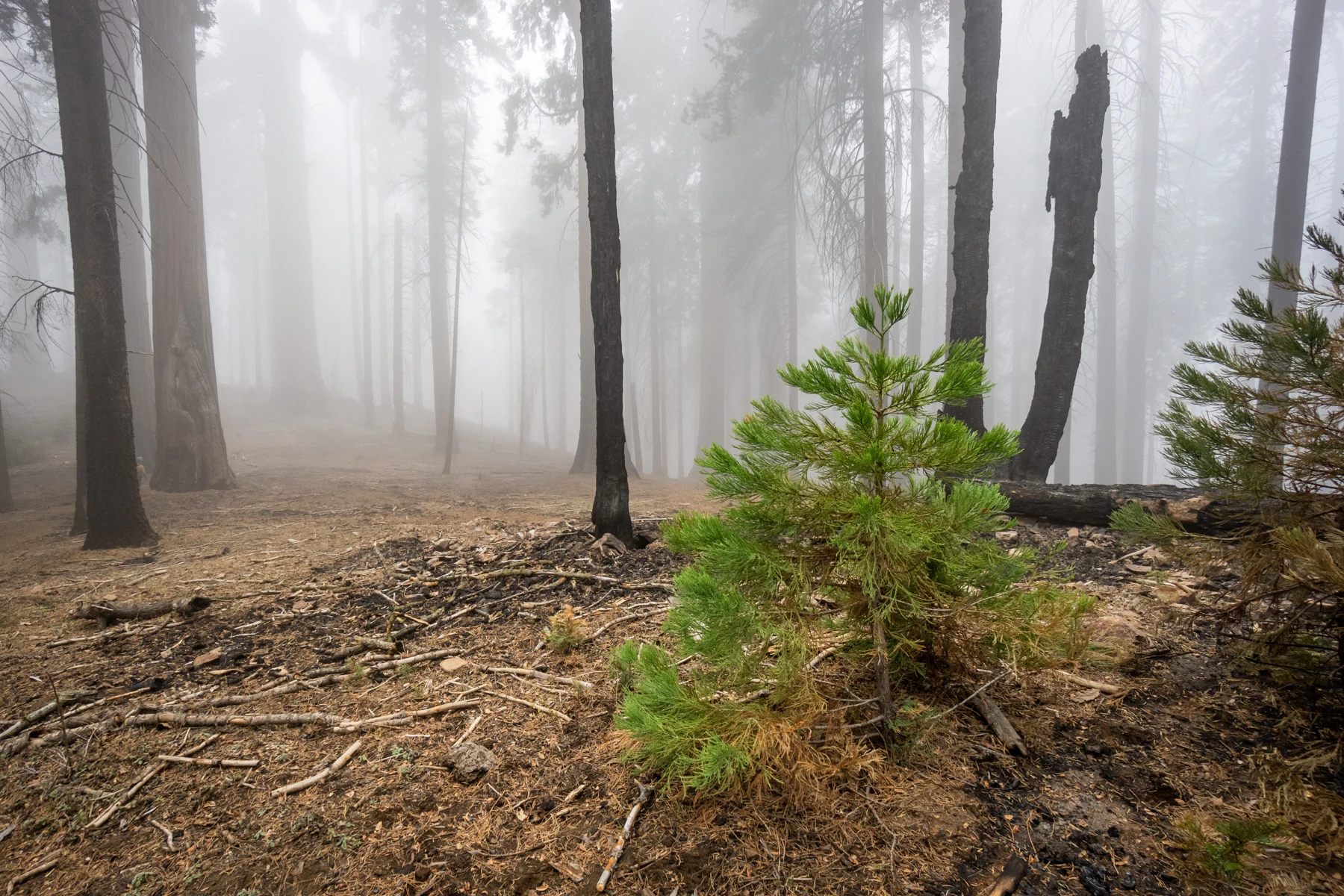
A photograph of a young sequoia looked almost comically delicate after the giant trunk. It did not have a broad base, towering branches, or a place for Andy’s imaginary tree hotel.
“Is it sure?” he asked.
“It’s a seedling,” Allie said. “Being small is the correct stage.”
Under suitable conditions, a seed took up water and began germination. A young root emerged and grew into the soil. A shoot extended upward, and the little plant began opening its green parts to the light.
Ana drew down and up arrows.
“Two directions. No elevator.”
Augie remembered the tree-water mystery at Redwood.
“Roots downstairs.”
The new seedling needed moisture, light, and a suitable place to establish. Exposed mineral soil could provide better conditions than a thick layer of dry forest litter. But too little water, drying heat, unsuitable temperatures, or competition could stop the tiny plant’s progress.
“So it doesn’t need us to clear a patch,” Ana said.
“Correct,” Mom replied. “We observe and let park staff care for the habitat.”
The children did not scrape soil, gather seeds, or pull a seedling up to inspect its root. Educational pictures let them study those details without damaging a real beginning.
Andy drew a small flag beside the seedling.
“First leaf! Parade!”
“Quiet parade,” Allie suggested.
Augie made a very small cheering motion.
Ana added an important note: STARTING TO GROW IS NOT THE SAME AS BEING FINISHED.
They looked from the seedling photograph to the giant again. The little plant was not an unsuccessful big tree. It was a young tree with different needs, a smaller root system, and many stages still ahead.
“That goes for explorers too,” Andy said.
Augie stood a little taller.
4. Where does all the tree come from?
Ana tapped the giant’s photograph.
“If the seed is tiny, where does the rest of the tree come from?”
“Giant bag of plant food,” Andy suggested.
“From the garden store?” Allie asked.
“Wholesale.”
The answer surprised him. Green leaves used energy from sunlight to turn water and carbon dioxide into sugars through photosynthesis. Those sugars supplied building material and energy for the tree’s growth and life.
“So some of the material comes from the air,” Ana said.
“Much of the carbon in the wood does,” Allie explained. “Roots take up water and mineral nutrients too. The seed doesn’t contain a tree-sized supply of everything.”
Augie looked at the air between his hands.
“Invisible ingredients.”
Andy drew a chef’s hat on a leaf.
“SUNLIGHT KITCHEN.”
“It’s a comparison,” Ana said. “There isn’t a tiny cook in there.”
The tree built roots, branches, foliage, and wood over time. New growth depended on its living systems and the resources available. Adding wood did not turn the whole trunk into one enormous drinking straw; different tissues had different roles.
Allie traced a growing trunk on the page. As a tree increased in diameter, it added wood around the outside of the older wood beneath its bark.
“Not by inflating like a balloon,” she said.
Andy crossed out a bicycle pump.
“My equipment list keeps shrinking.”
Ana connected both notebook columns. Inherited traits, sunlight, water, air, nutrients, space, and time all belonged in the answer.
Augie added a clock.
“How much time?”
“Far longer than we can watch during a visit,” Allie said.
Andy put away his stopwatch.
“Then we should probably have lunch.”
5. A winter photograph in the water case
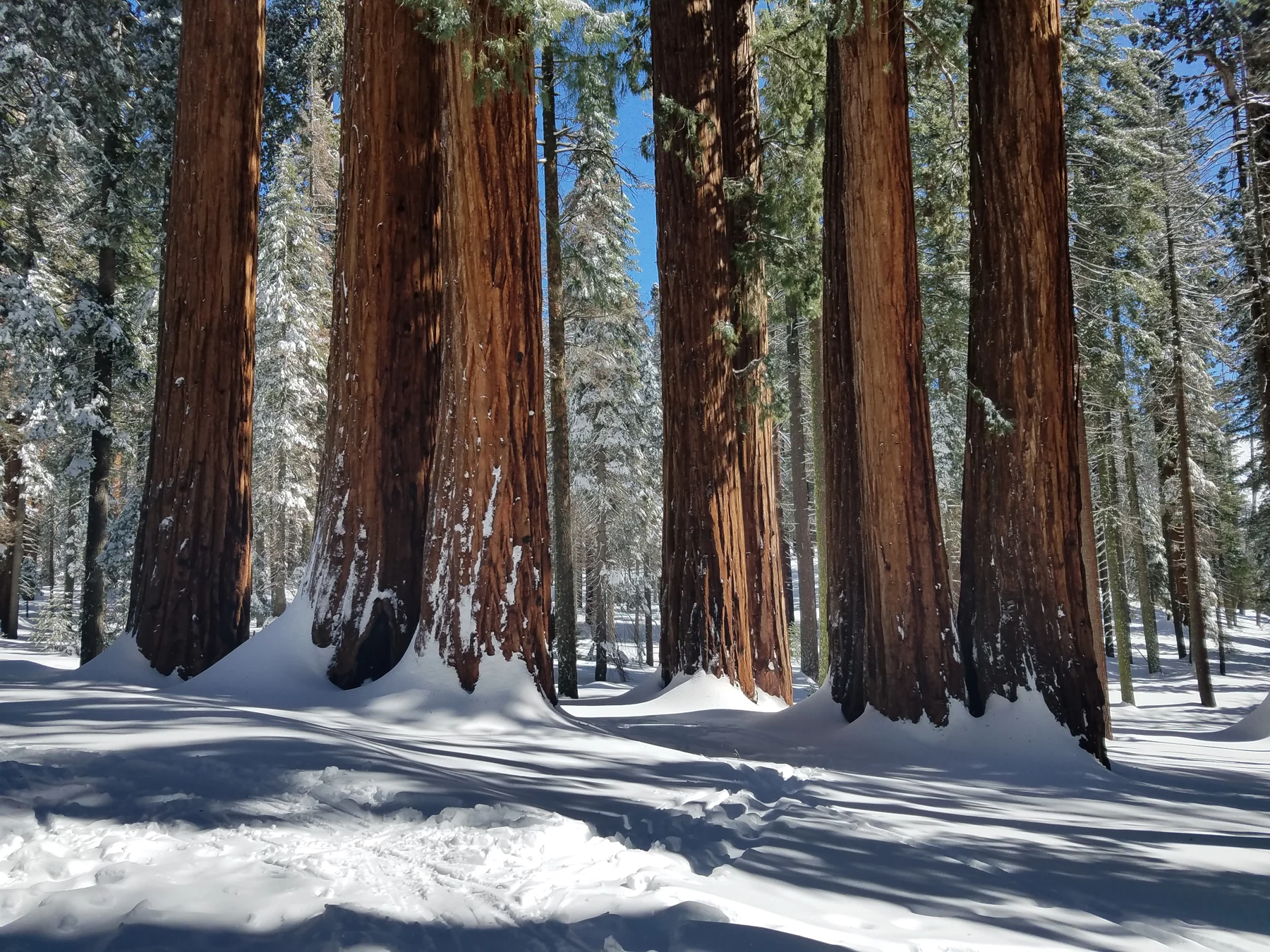

The next photograph showed snow gathered around a red-barked giant.
Augie pointed to the white ground.
“Tree blanket.”
“Another water clue,” Allie said.
Giant sequoias grew naturally in scattered groves on the western slope of the Sierra Nevada. Their mountain setting differed from the coast redwoods’ fog belt. Climate helped determine where suitable growing conditions existed.
Snow could store water during winter and release it as it melted. Soil moisture, drainage, weather, and the surrounding landscape affected the water available to trees.
“So a tree can depend on something that fell months earlier,” Ana said.
Andy drew a snowflake beside a calendar.
“Delayed delivery.”
The photograph did not mean every visit would include snow or that the family could treat a snowy route like a summer path. Their grown-ups planned for actual conditions, road access, and everyone’s abilities.
Nor did a large tree have an unlimited water supply. Hotter, drier conditions could create stress, even for trees that had lived through many changes.
Augie drew a small water drop beside the huge trunk.
“Still needs it.”
“Yes,” Allie said. “Big is not the same as invincible.”
Roots spread through the ground and mattered even when visitors could not see them. Staying on designated paths and respecting barriers helped protect roots and soil.
Andy checked the drawing of his imaginary tree hotel.
“No parking lot on the roots.”
Ana crossed out the hotel entirely.
“Perhaps we admire the tree without moving in.”
“Fine,” Andy said. “The room service was going to be difficult.”
6. The surprising fire chapter
A dark scar on an old trunk brought them to the most surprising part of the case.
“Burned?” asked Augie.
“Evidence of fire,” Allie said. “A tree can survive some fires and carry scars.”
Mature giant sequoias had thick bark that could help insulate living tissues from heat. Periodic fire had long been part of grove ecology. It could reduce accumulated vegetation, expose mineral soil, open sunny gaps, and encourage the release of many seeds from cones.
Ana looked back at the seedling’s needs.
“Light, soil, and seeds arriving together.”
“Conditions that can help a new generation establish,” Allie said.
“But then every fire is good?” Andy asked.
“No.”
The distinction mattered. Very severe fire could kill mature sequoias and leave too few surviving seed trees. Drought, warming, and accumulated fuels could change how fires burned. Fire-adapted did not mean fireproof.
Augie drew a small shield around a tree, then left a gap in it.
“Not everything.”
The family learned that trained specialists used research, monitoring, and carefully planned management to help care for groves. Prescribed fire was professional work under planned conditions, never an experiment for a visitor.
Andy put a large cross through his drawing of a match.
“Not in the explorer toolbox.”
Fire was also not the only way seeds ever left sequoia cones. Their reproduction involved several processes. The children would not replace one oversimplified rule—fire is always bad—with another—every tree needs any fire.
Ana wrote: WHAT KIND? HOW MUCH? UNDER WHAT CONDITIONS?
“That is a lot of questions,” Andy said.
“A useful number,” Allie replied.
Augie added one more.
“Can we keep the tree?”
“That’s why people are working so carefully,” Mom said.
7. The giant lives in a neighborhood
The children’s first drawing had shown one huge tree on an empty page. Now Ana noticed everything missing around it.
“Other trees. Smaller plants. Soil. Animals. Fallen wood.”
Andy added a mailbox.
“Neighborhood.”
A sequoia grove was part of a mixed forest, not a collection of isolated monuments. Pines, firs, incense-cedar, and other plants shared the setting. Birds, insects, and many less conspicuous organisms belonged to the community too.
A fallen log could provide habitat while decomposers gradually returned material to the system. The children remembered the useful leftovers in Redwood’s forest.
Augie drew a tiny resident beside an enormous log.
“Big house. Small neighbor.”
At a museum display, they also learned about changes in Giant Forest. Buildings, roads, and other development had affected roots, soil, water, and vegetation. Moving facilities and restoring land helped protect the grove.
“So caring for a tree includes caring for the ground around it,” Allie said.
“And sometimes moving our stuff,” Ana added.
Andy reconsidered the tree hotel for the last time.
“I officially withdraw the application.”
The family looked at suitable activities beyond standing beside a famous trunk: museum exhibits, a manageable forest walk, observations from established paths, and views of changing mountain habitats. The best adventure matched the day and the family, not the longest checklist.
Ana made a listening challenge. For a quiet moment, they noticed moving leaves, a distant bird, and the sound of their own feet when they started walking again.
“The tree isn’t the whole forest,” she said.
Augie added another little organism to the page.
“Everyone fits.”
8. Before the park had a sign
The museum’s cultural information expanded their map again.
Sequoia and neighboring Kings Canyon occupied homelands of Native peoples, including the Mono (Monache), Yokuts, Tübatulabal, Paiute, and Western Shoshone. Those names represented distinct peoples and communities, not one interchangeable group.
Allie read slowly while Ana made room in the notebook.
“People have tended, known, and valued these lands long before the parks were established.”
“And the connections continue,” Mom said.
The history included displacement and forced relocation. It also included living communities, knowledge, languages, and continuing stewardship. The children did not treat Indigenous people as figures who disappeared when a park boundary was drawn.
Ana pointed to park material featuring Tribal members speaking about land management, basket making, and language.
“We can learn from people’s own voices.”
They did not copy a traditional practice into an invented game or pretend their notebook contained everyone’s knowledge. Listening carefully was one of their real explorer skills.
Andy folded away his silly tree-hotel sketch while they discussed that part.
“Different page,” he said.
Outside again, the giants seemed to hold more than a biology puzzle. They stood within a cultural landscape, a changing climate, and a history of choices about land.
Augie drew the park sign smaller and the forest around it larger.
“What’s that?” Allie asked.
“Sign came later.”
Ana nodded.
“That belongs in the notebook.”
Their question had begun with a seed’s future. It now included the people who helped care for the place where that future might unfold.
9. The giant’s answer is still growing
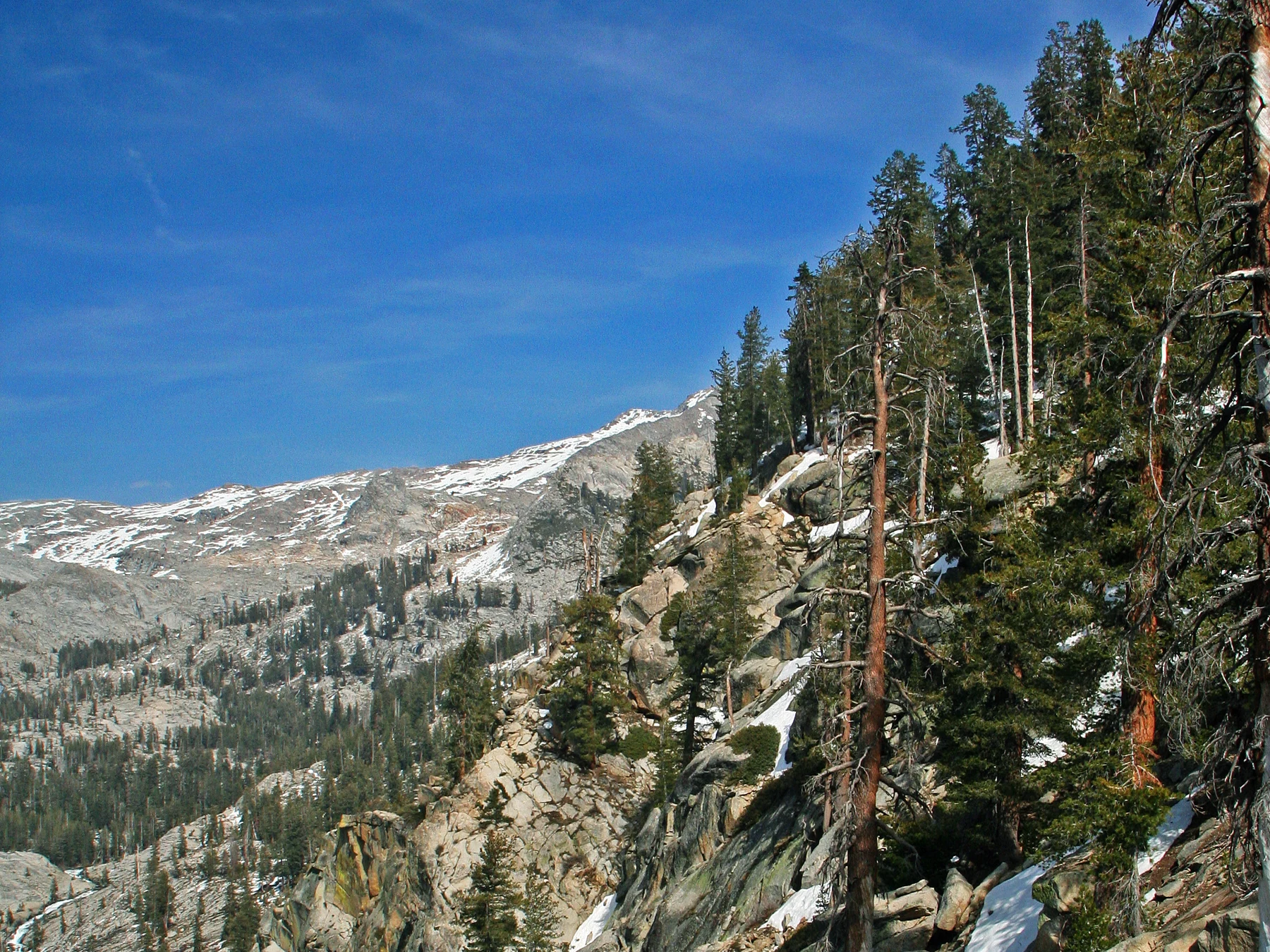
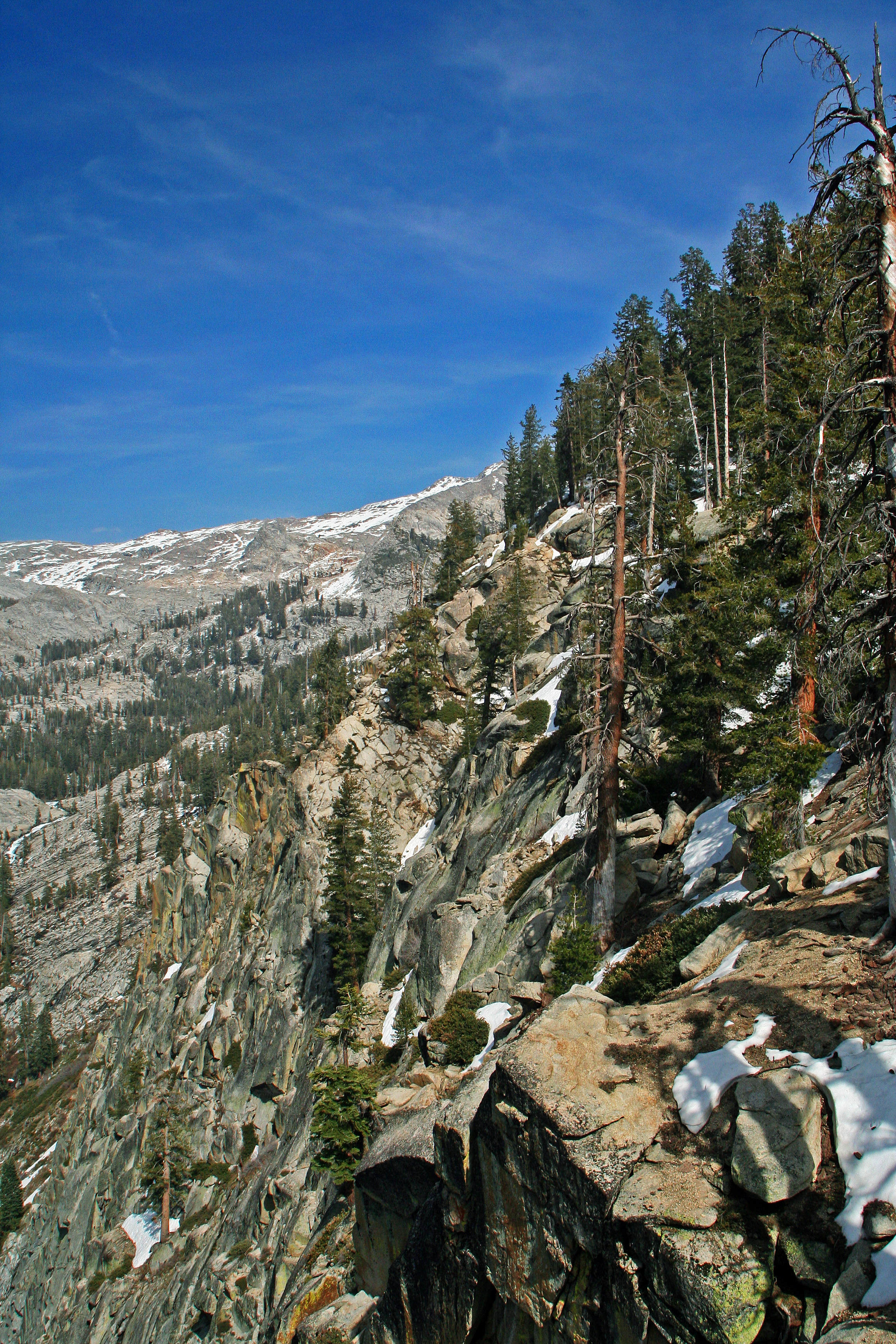
A mountain photograph showed forest giving way to steep granite and higher, barer country above Lodgepole Valley.
Andy looked from the forest to the rock.
“The park has more than one upstairs.”
Elevation, moisture, and other conditions helped create different habitats. A giant sequoia’s natural home was not every patch of California, nor every part of the mountain range.
Ana returned to the two notebook columns. The seed had an embryo, stored resources, protection, and inherited information. The world around it needed to supply suitable conditions over a very long life.
“Tiny beginning,” Allie said. “Large set of connections.”
“Root, shoot, leaves,” Augie listed.
“Water, sunlight, air,” Ana added.
“Time,” said Andy. “A completely unreasonable amount for a stopwatch.”
Not every seed would succeed. Not every giant faced the same future. Scientists and land stewards studied growth, fire, climate, and restoration to understand what the next generation needed.
Augie looked at their seed drawing one last time.
“Did it know?”
“It didn’t make a plan like we do,” Allie said. “It grew through living processes, guided by its inheritance and shaped by its surroundings.”
Andy drew a small seed wearing an enormous hat.
“Mine still looks ambitious.”
Their mystery was answered, but the forest’s story was ongoing. The family left the cones, seeds, bark, and soil where they belonged and carried their discoveries away on paper.
Next came Carlsbad Caverns National Park, where they would return underground to investigate a cave that seemed to build upward.
Augie considered that carefully.
“Ceiling teeth again?”
“Some familiar clues,” Ana said. “And a different cave story.”
Allie wrote THE CAVE THAT BUILDS UPWARD.
Andy closed the notebook beside the tiny seed picture.
“I hope the next mystery comes in a package that fits.”
Explorer’s notebook
Nine discoveries to keep
- A giant sequoia starts from a small seed, not a miniature tree packed inside a cone.
- A cone holds seeds; a seed contains an embryo and stored resources.
- Germination begins a seedling’s growth, but survival depends on suitable conditions.
- Photosynthesis uses sunlight, water, and carbon dioxide to make sugars.
- Soil moisture, mountain climate, and snowmelt help shape a grove’s water story.
- Mature sequoias’ thick bark helps them withstand some fires, but they are not fireproof.
- Periodic fire can help regeneration; very severe fire can destroy trees and seed sources.
- Protecting roots, soil, and the surrounding forest helps protect the giants.
- These parks are living Indigenous homelands as well as protected ecosystems.
Five ways to explore
- Compare an official photograph of a seedling with one of a mature tree.
- Draw two columns: what a seed brings and what its environment supplies.
- Trace a tree’s ingredients back to air, water, sunlight, and soil.
- Visit a museum or choose a suitable established forest route with current park guidance.
- Draw the giant’s neighborhood, including small plants, other trees, animals, and fallen wood.
Talk it through
- Why isn’t a tiny seed required to hold all the material in a giant tree?
- How can fire be part of a forest’s ecology without every fire being helpful?
- What changes when we think about a grove as habitat and homeland, rather than just a collection of big trees?
Words for your backpack
Embryo: a young organism at an early stage of development.
Germination: the beginning of growth from a seed.
Seedling: a young plant that has developed from a seed.
Photosynthesis: using light energy to make sugars from carbon dioxide and water.
Grove: a group of trees growing together.
Regeneration: the establishment of a new generation of plants.